
TPO Roof Restoration
Failing TPO seams and surface degradation — restored with a coating system that extends membrane life by 10+ years.
Why Do TPO Roofs Fail Early?
TPO (thermoplastic polyolefin) membranes are popular in commercial construction for their energy efficiency and low cost — but they have a well-known weakness: heat-welded seams. Over time, UV degradation, thermal cycling, and building movement stress these seams, eventually causing separation and leaks. Thinner TPO membranes (45 mil) are especially vulnerable. Once a seam begins to fail, water infiltration can spread quickly beneath the membrane before it shows up on the ceiling inside.
Can a TPO Roof Be Restored Without Replacement?
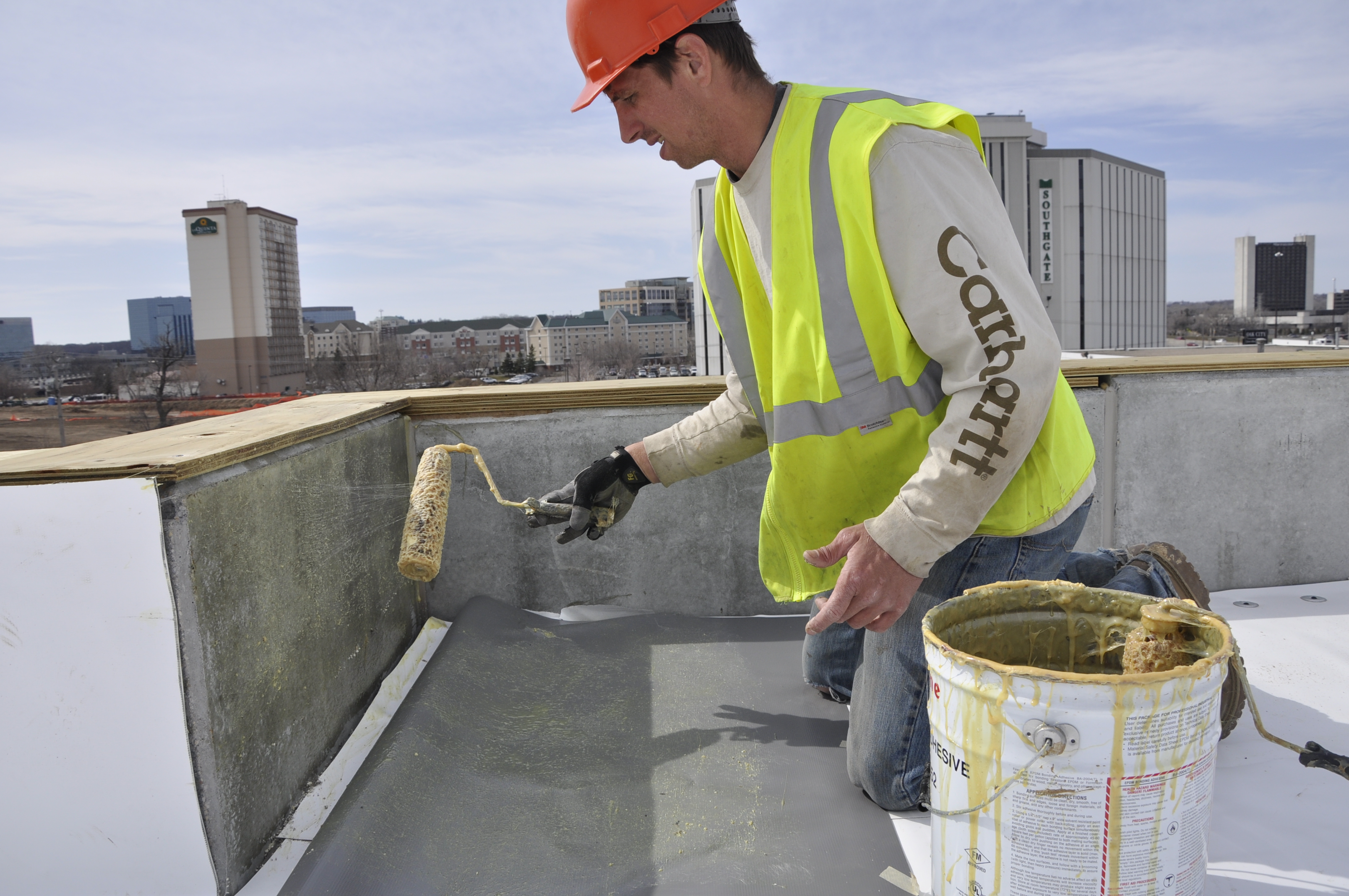
In most cases, yes. If the membrane is still properly bonded to the substrate and moisture infiltration beneath the membrane is limited, a TPO-compatible coating system can restore the waterproofing layer. We re-weld or seal any compromised seams, prime the TPO surface with a compatible primer, and apply a fabric-reinforced base coat followed by a reflective finish coat. The result: a restored, watertight roof with a fresh reflective surface.
The TPO Restoration Process
- 1Roof walk and seam-by-seam inspection
- 2Infrared or probe moisture scan to locate subsurface wet areas
- 3Re-weld or seal any compromised seam areas
- 4Apply TPO-compatible primer to the membrane surface
- 5Apply fabric-reinforced base coat at seams and transitions
- 6Apply reflective finish coat across entire field
- 7Warranty documentation
Key Benefits
- Addresses the #1 failure point — seam separation
- Highly reflective finish restores energy performance
- 40–55% less expensive than full TPO replacement
- Extends membrane life by 10+ years
- Most jobs completed in 1–2 days
- Backed by a product and labor warranty
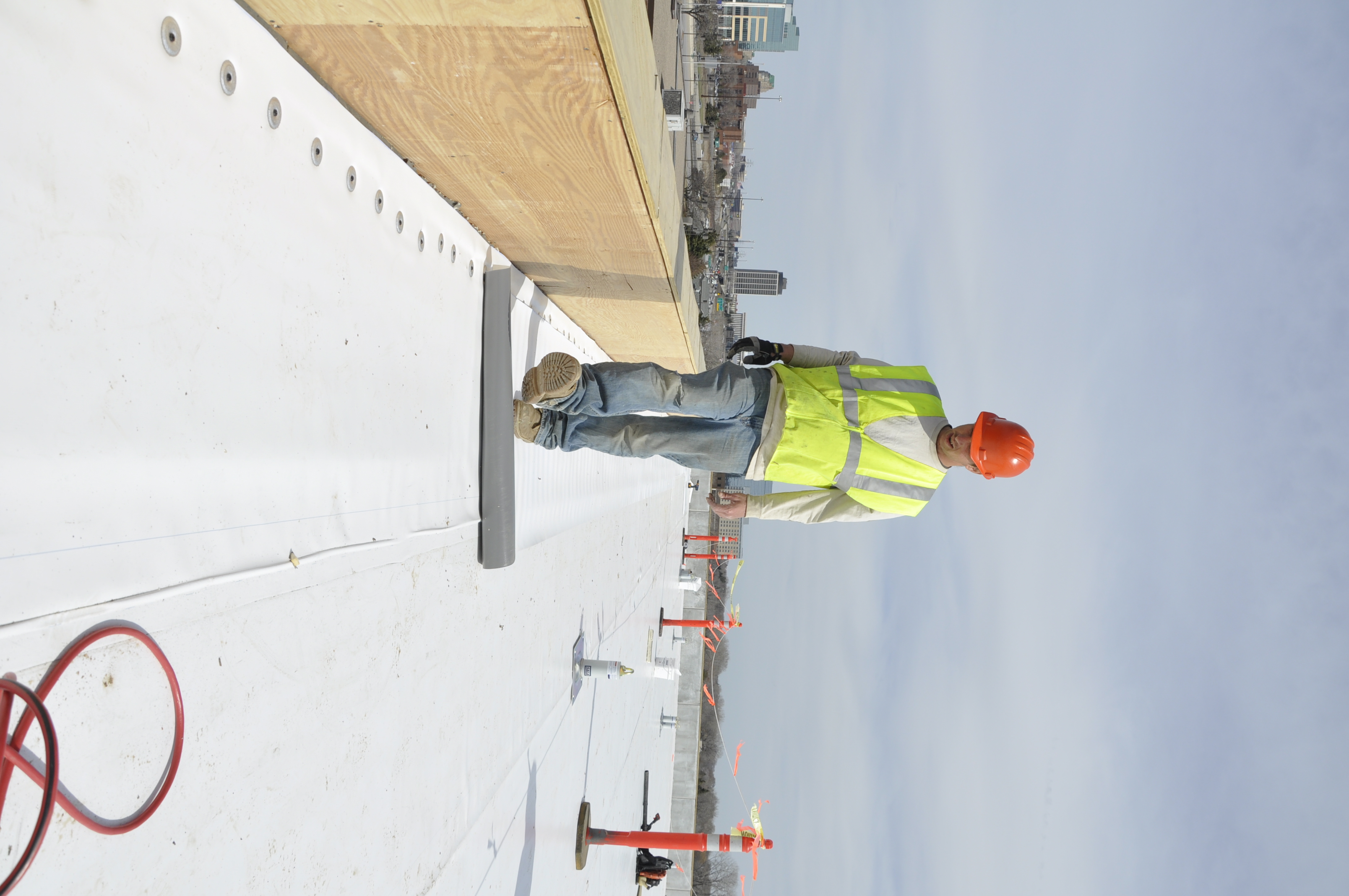
We inspect your TPO roof at no charge to determine the most cost-effective path forward.
Schedule a Free Inspection